
Azienda
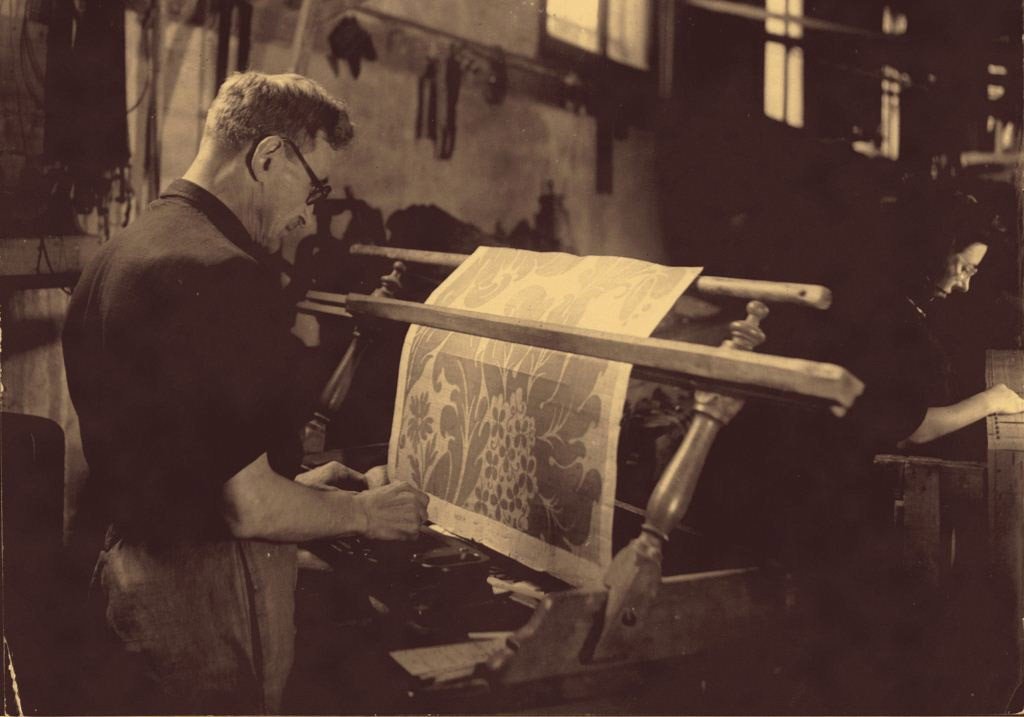 Dopo un periodo a Palazzo Labia la Luigi Bevilacqua S.r.l. si stabilisce nell’attuale sede di Santa Croce, dove gli antichi telai hanno trovato la loro collocazione definitiva. Presso la sede veneziana si trovano anche parte della produzione, con 25 telai manuali tuttora funzionanti, il magazzino e la show room.
Completamente partecipata dalla famiglia, la Bevilacqua ha visto in questi ultimi anni un notevole sviluppo sia a livello nazionale che internazionale, con un aumento significativo delle vendite, grazie all’apertura di nuovi mercati, all’incremento della produzione meccanica parallela a quella manuale e allo sviluppo del settore riservato al contract alberghiero.
L’azienda, già presente nei maggiori mercati mondiali, sta incrementando le relazioni commerciali con quei paesi in forte espansione economica, quali la Cina e l’Estremo Oriente, dove l’avvento di una nuova ricchezza ha portato alla ricerca di beni esclusivi collocati nella fascia dell’eccellenza.
Un forte impulso sarà dato all’attività d’incremento della notorietà del marchio, conservando la tipologia di un prodotto di nicchia, che da sempre contraddistingue le collezioni Bevilacqua.
La società è guidata dall’avv. Rodolfo Bevilacqua, presidente e responsabile produzione, e dal fratello dott. Alberto Bevilacqua, amministratore delegato e responsabile marketing. Coadiuvati da validi collaboratori i Bevilacqua guidano la Società in prima persona, la loro quotidiana presenza in azienda e la profonda conoscenza delle tecniche di tessitura garantiscono un prodotto di alta qualità e prestigio oggi come allora.
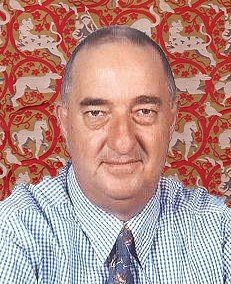
Rodolfo Bevilacqua
Presidente
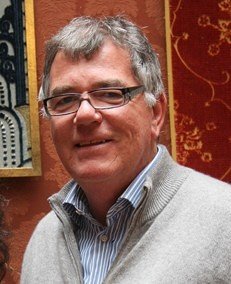
Alberto Bevilacqua
Amministratore Delegato
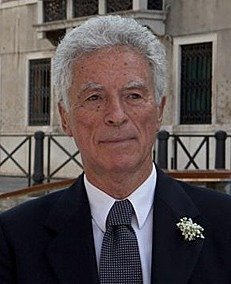
Gianpaolo Bevilacqua
Consigliere
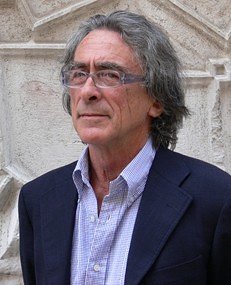
Mario Bevilacqua
Consigliere