Opened on May 5, 2026, at the Fondazione Querini Stampalia in Venice, The Dreamer unfolds like a waking dream. An exhibition in which the visitor does not simply observe, but is traversed by light, sound, fragrance, and the living materiality of textiles that envelop the rooms, transforming space into a layered and total experience.
The Exhibition Journey at Palazzo Querini Stampalia
The Dreamer takes shape as a true time machine: a perceptual device that organizes time through space and space through the movement of the body.
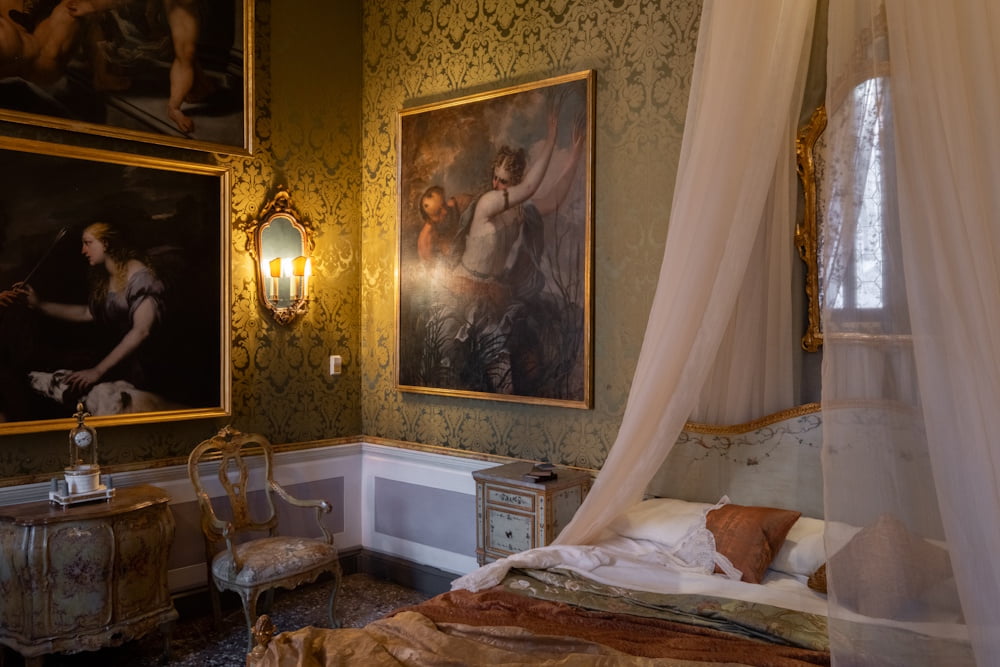
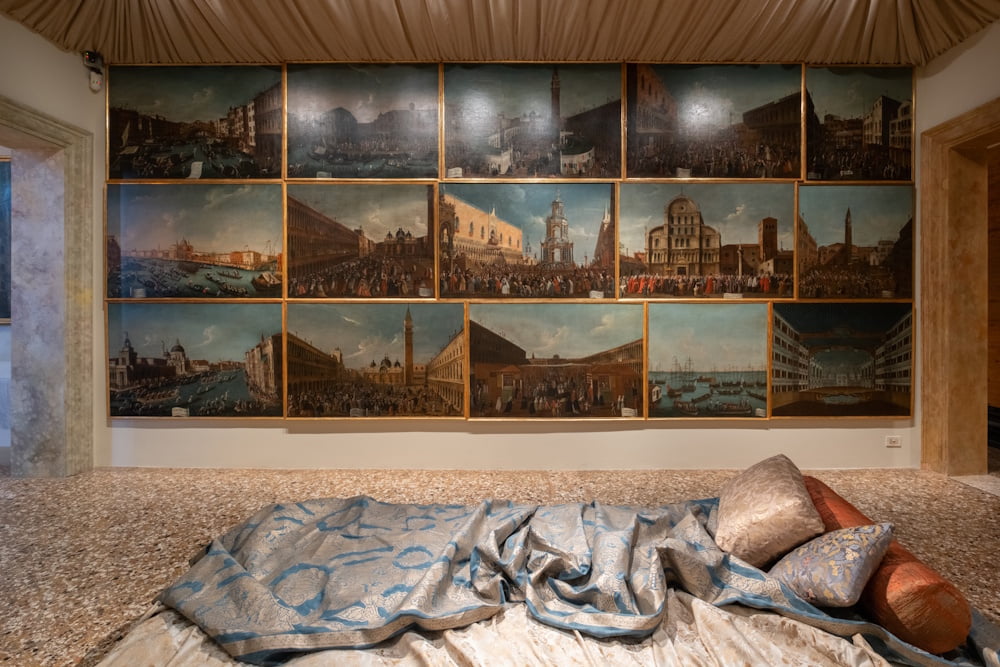
The exhibition path develops like a cinematic montage, openly inspired by Luchino Visconti‘s film Senso. Each room acts as an autonomous yet interconnected sequence, where artworks call to one another, mirror one another, and continually transform through mutual exchange. The visitor is never still, but is instead compelled to negotiate distance and proximity, immersion and detachment, constructing their own gaze in motion.
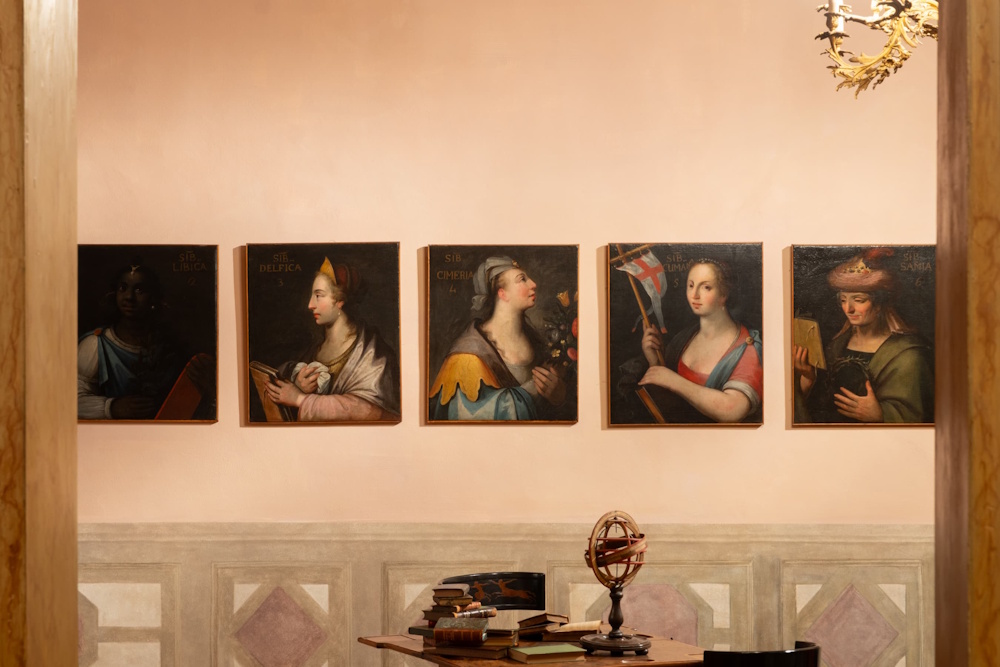
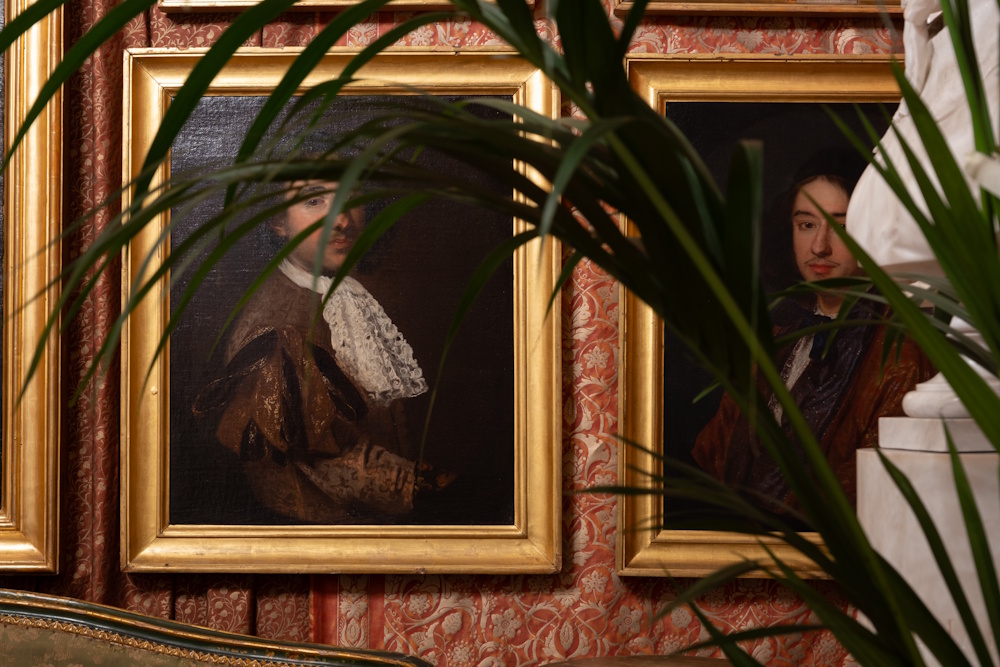
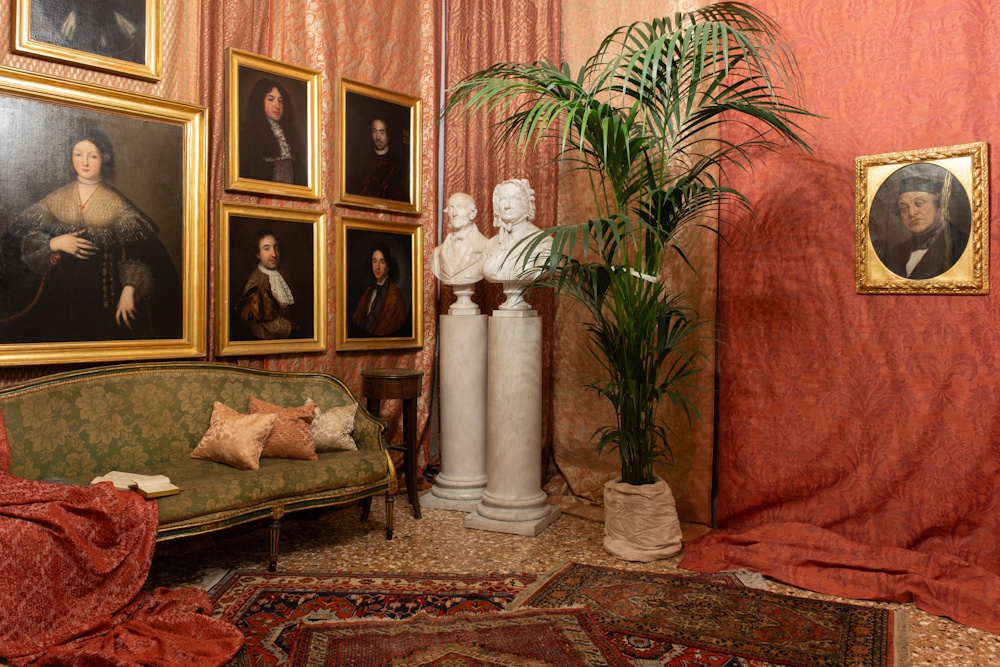
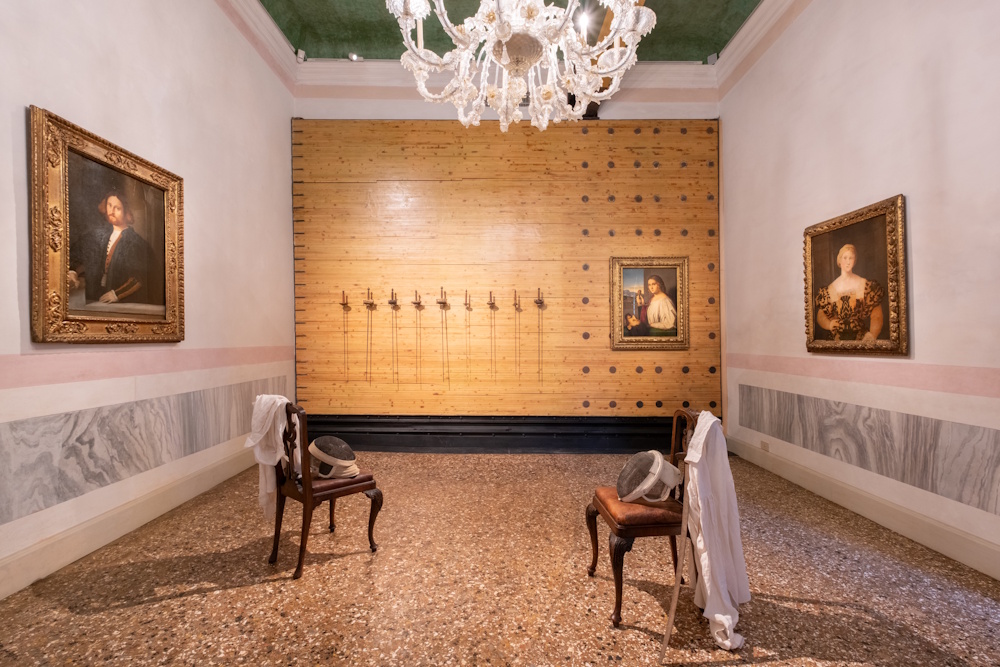
The Art of Dreaming, The Portrait, Steel Poetry – Image Gallery, Ph Adriano Mura
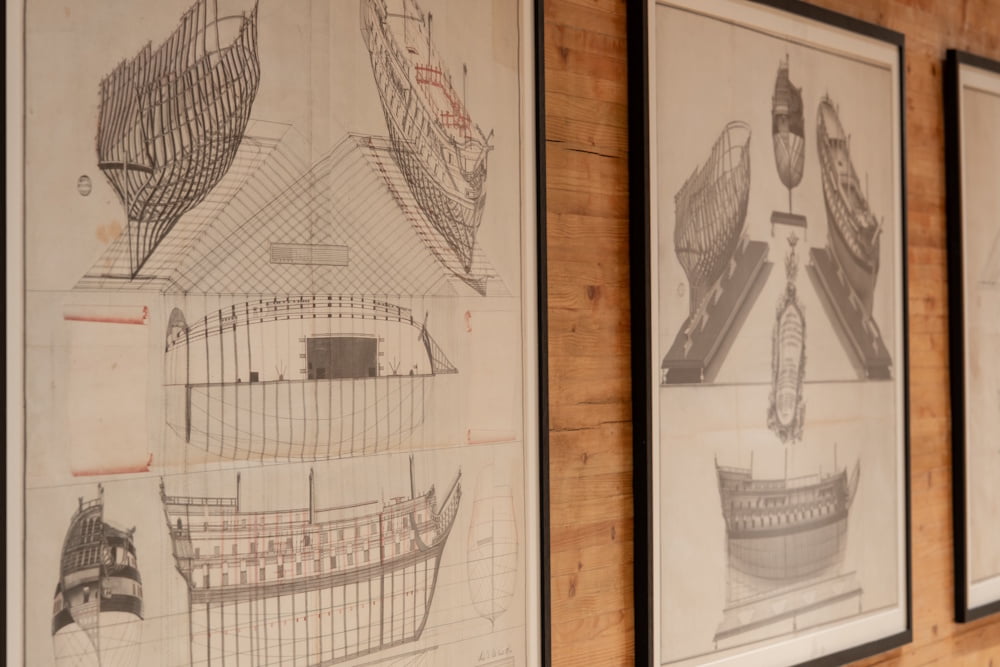
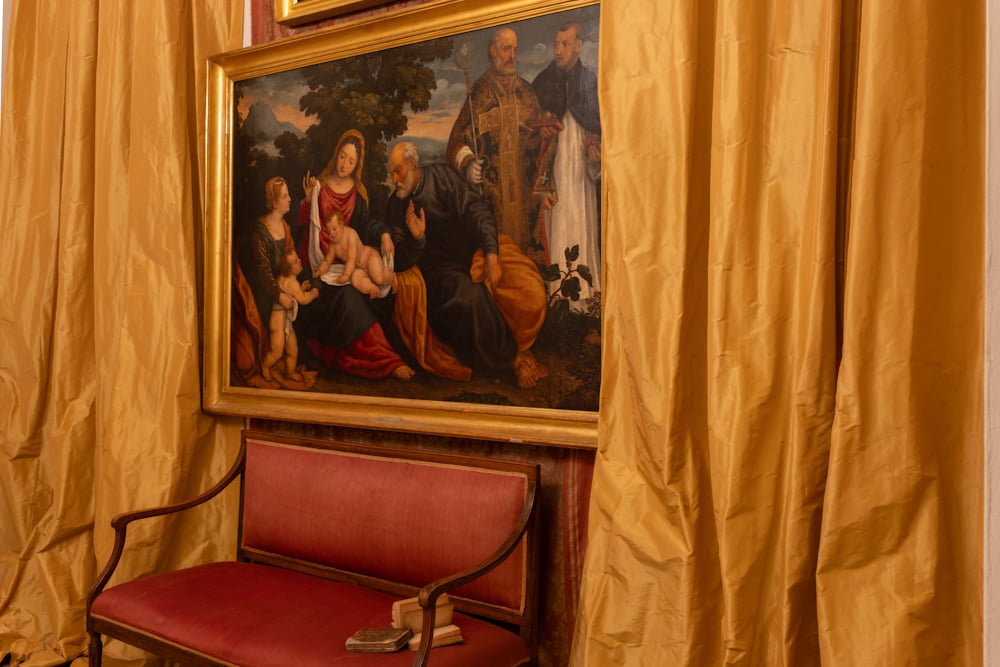
There is no linear chronology, but rather an emotional and layered progression intertwining more than 170 works from the historic collection, from Giovanni Bellini to Pietro Longhi, with the visions of six contemporary artists: Emanuele Becheri, Chiara Bettazzi, Giusy Calia, Daniela De Lorenzo, Silvia Giambrone, Davide Rivalta. The thematic nuclei, ranging from the “art of dreaming” as responsibility and vision, to portraiture as an inquiry into identity, and further into the passions, gestures, and obsessions of the Querini family, converge in a narrative composed of apparitions, echoes, and recurring signs.
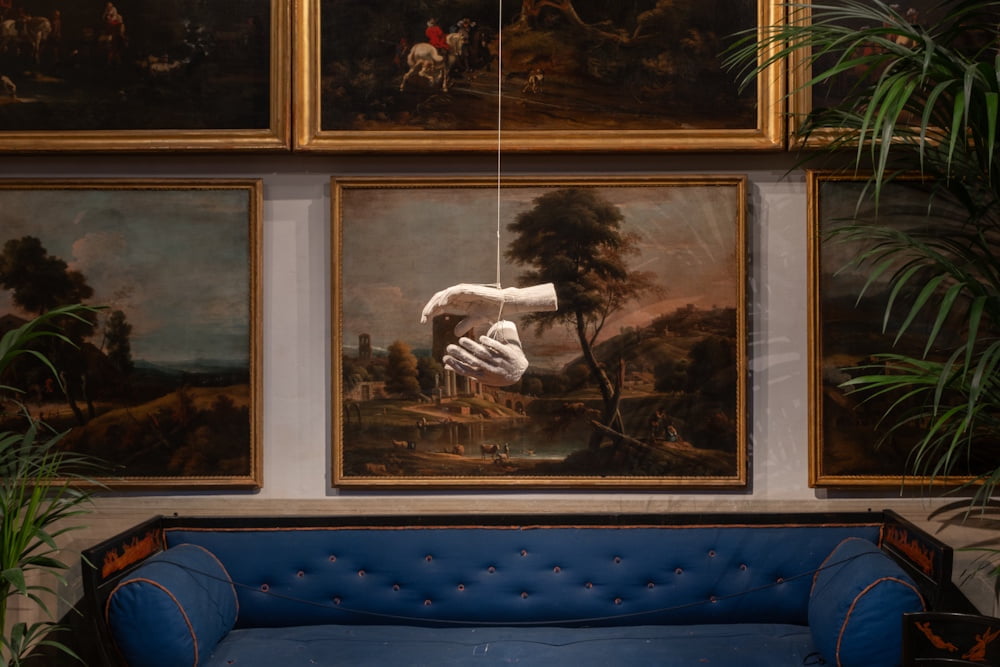
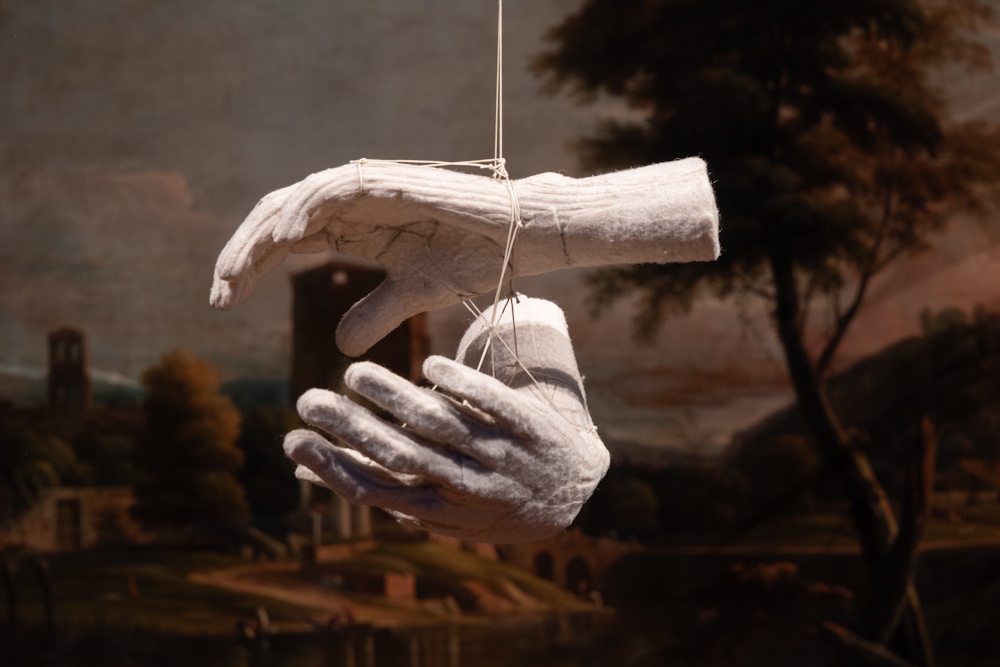
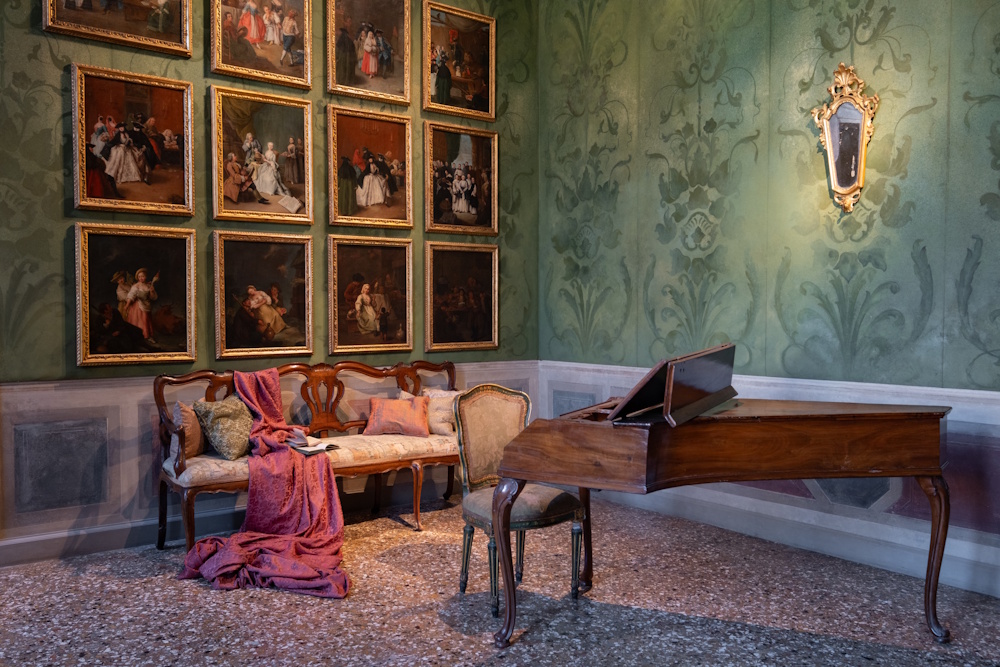
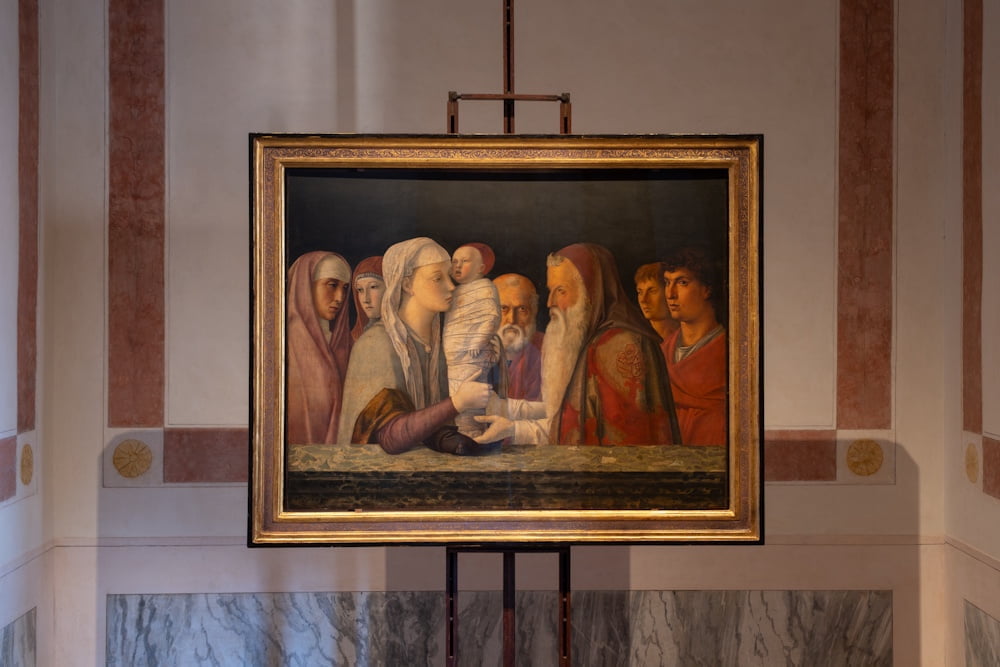
Time, Fiction, Silence – Image Gallery, Ph Adriano Mura
All of this unfolds within the frame of a 16th-century Venetian palace, where every room gestures toward something beyond itself: space never fully concludes, but continues in the memory of the previous room and in anticipation of the next. As visitors move through the environment, they compose a kind of spatial writing in which what is visible remains in constant dialogue with what lies outside the frame. It is here that a profound experience of seeing and dreaming emerges, one destined to persist long after the visit itself.
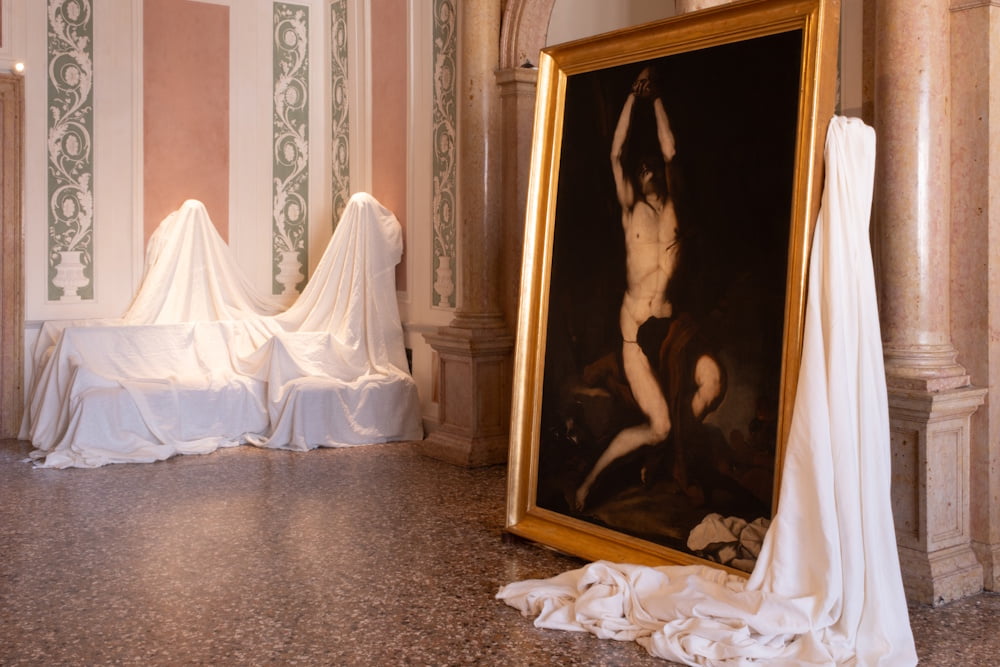
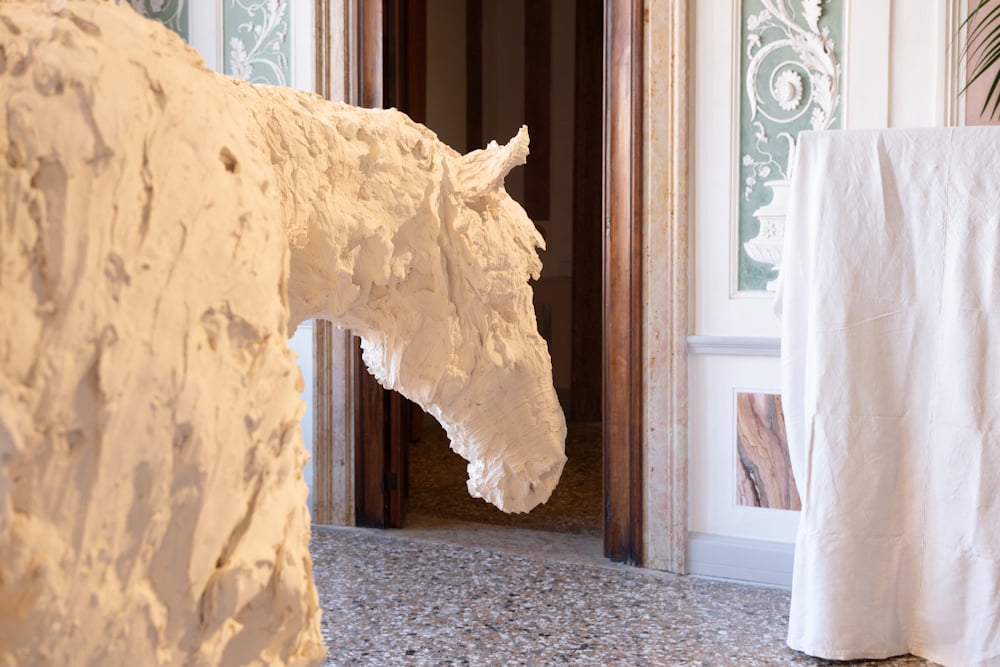
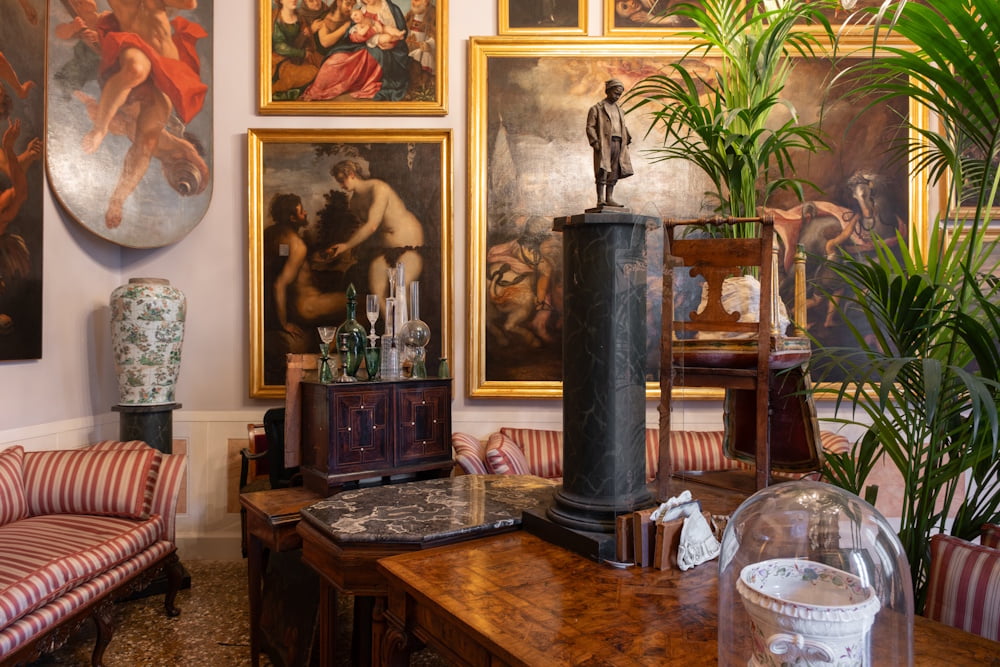
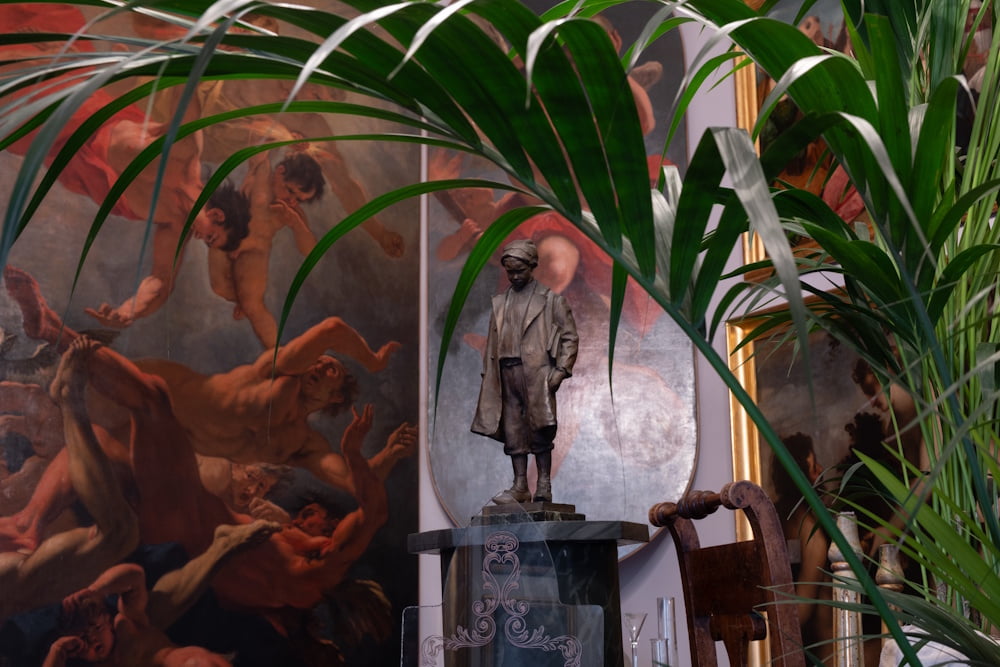
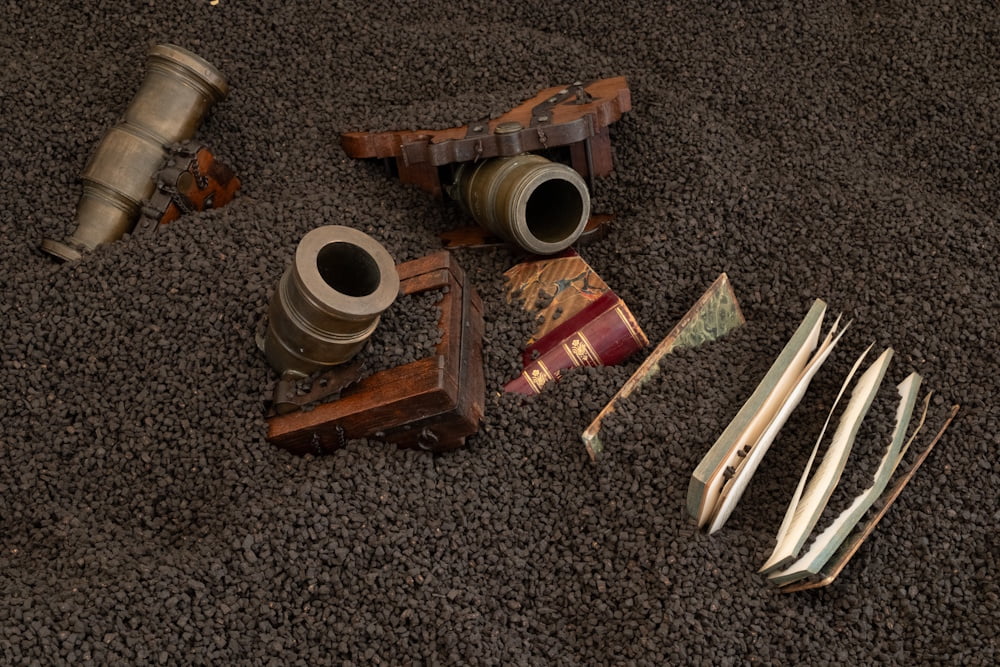
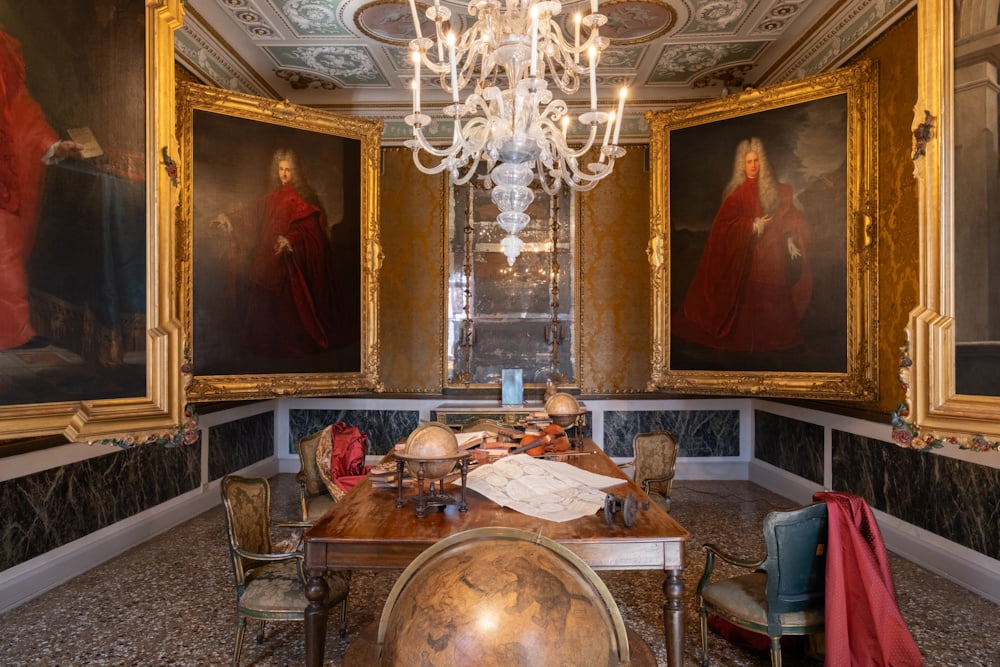
Care, Memory, War, Governance – Image Gallery, Ph Adriano Mura
Bevilacqua Textiles in Dialogue with the Exhibition
Within this theater of the imagination, our textiles are not merely decorative elements: they are silent yet powerful interlocutors, essential components in the construction of the experience, shaping atmosphere, depth, and rhythm.
The Serto and Giardino brocatelles evoke worlds that feel at once distant and familiar. Serto, inspired by 16th-century Turkish decorative motifs, traces a lattice of diamonds and stylized flowers across the weave: an ancient dialogue between East and West that Venice has always embraced with extraordinary naturalness. The Giardino brocatelle, by contrast, celebrates 18th-century sumptuousness: overflowing vases of flowers, acanthus leaves framing each motif, an ornamental richness that speaks of palaces, ceremonies, and beauty experienced as necessity.
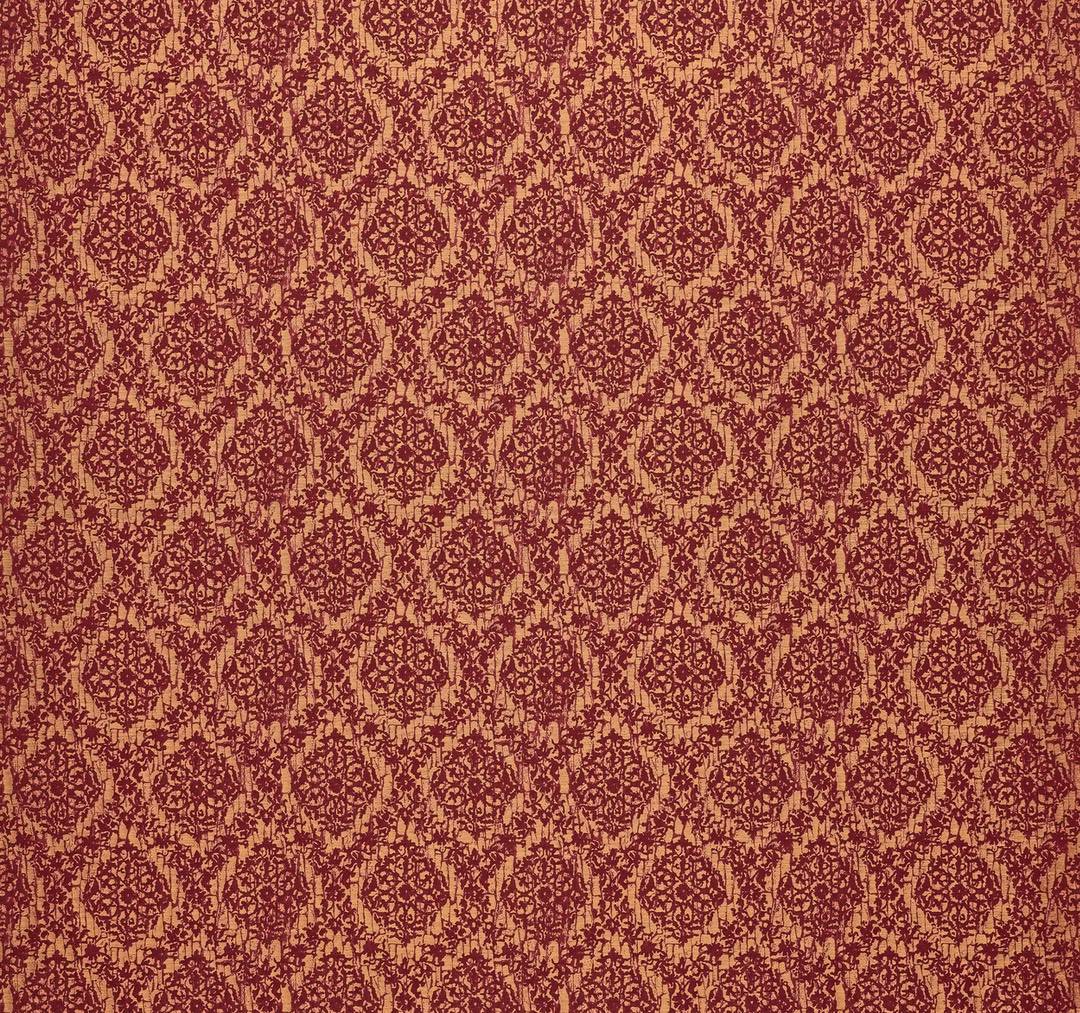
Serto Brocatelle – Red
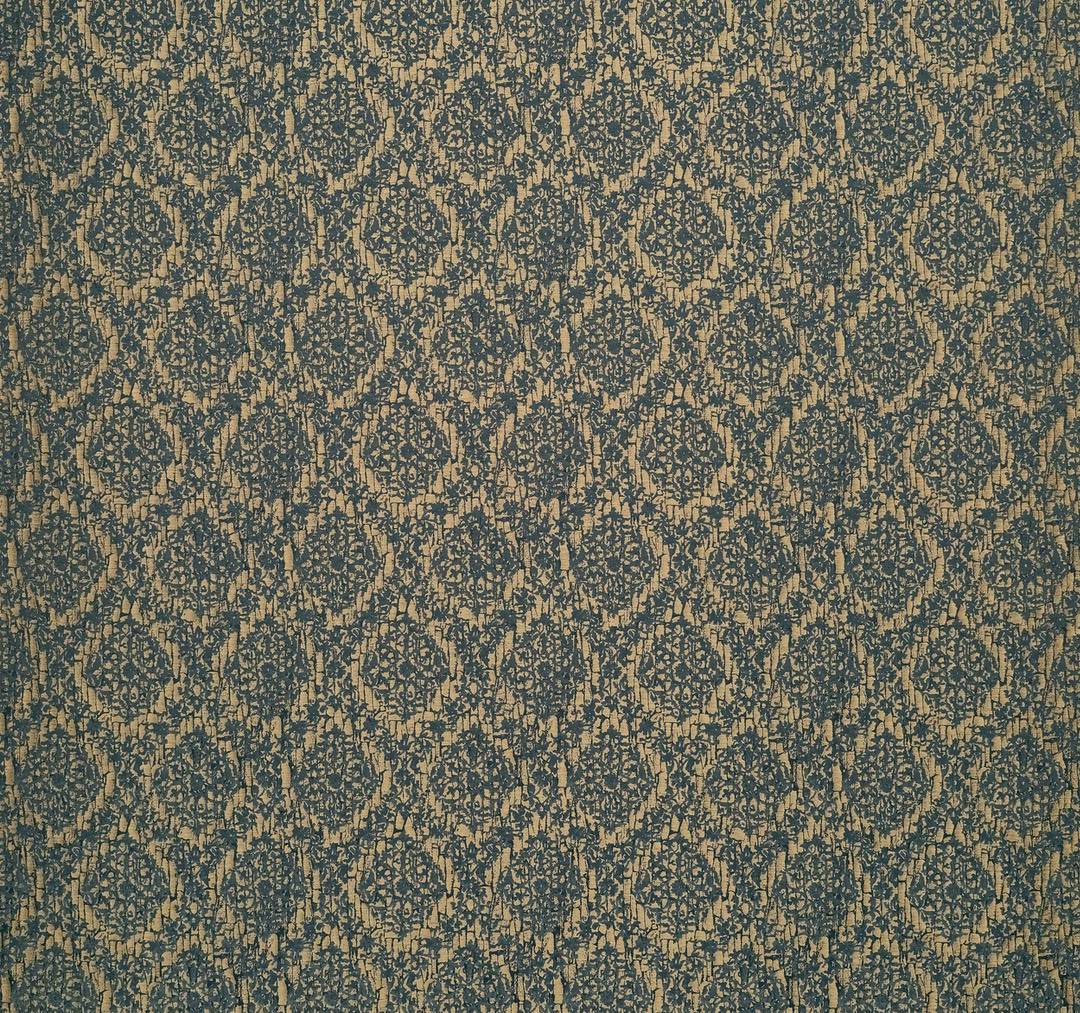
Serto Brocatelle – Antique Turquoise
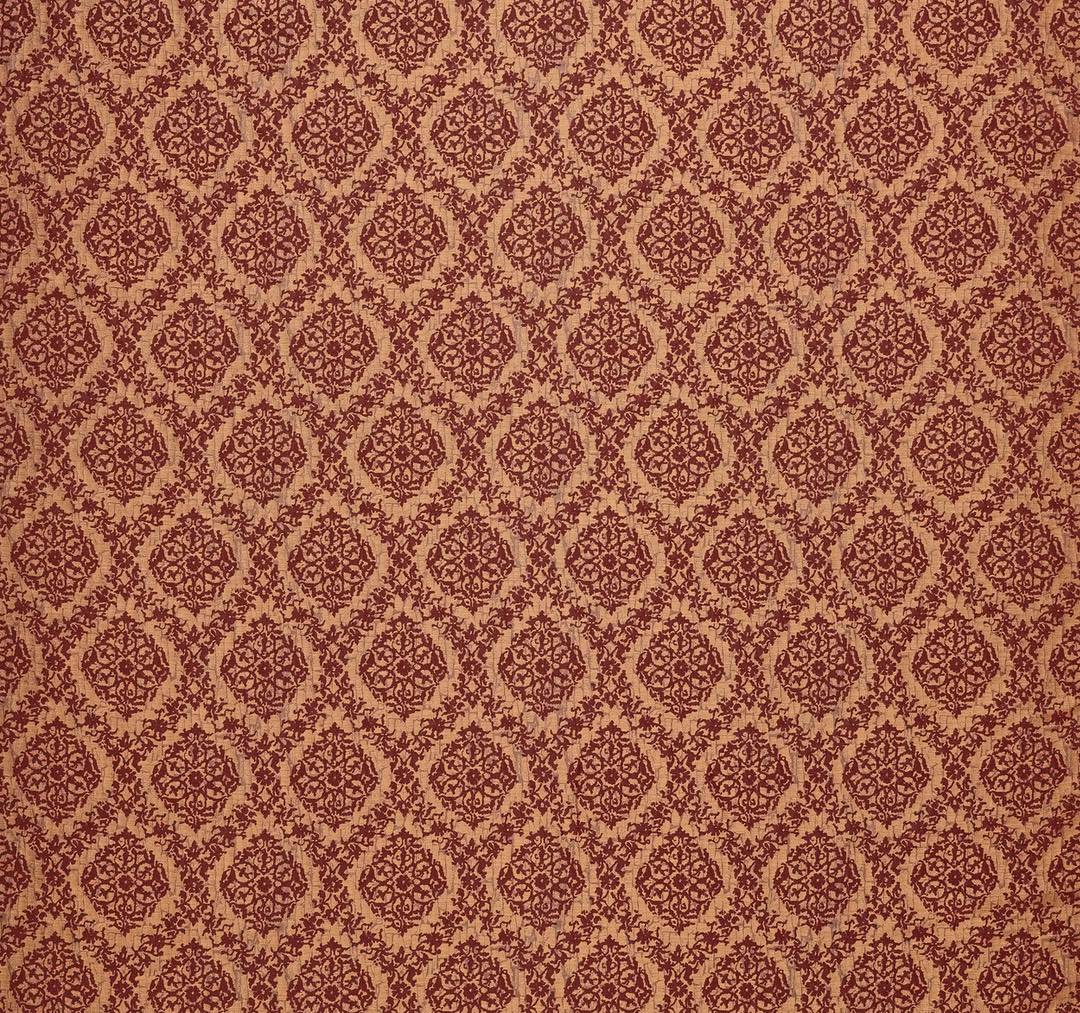
Serto Brocatelle – Antique Red
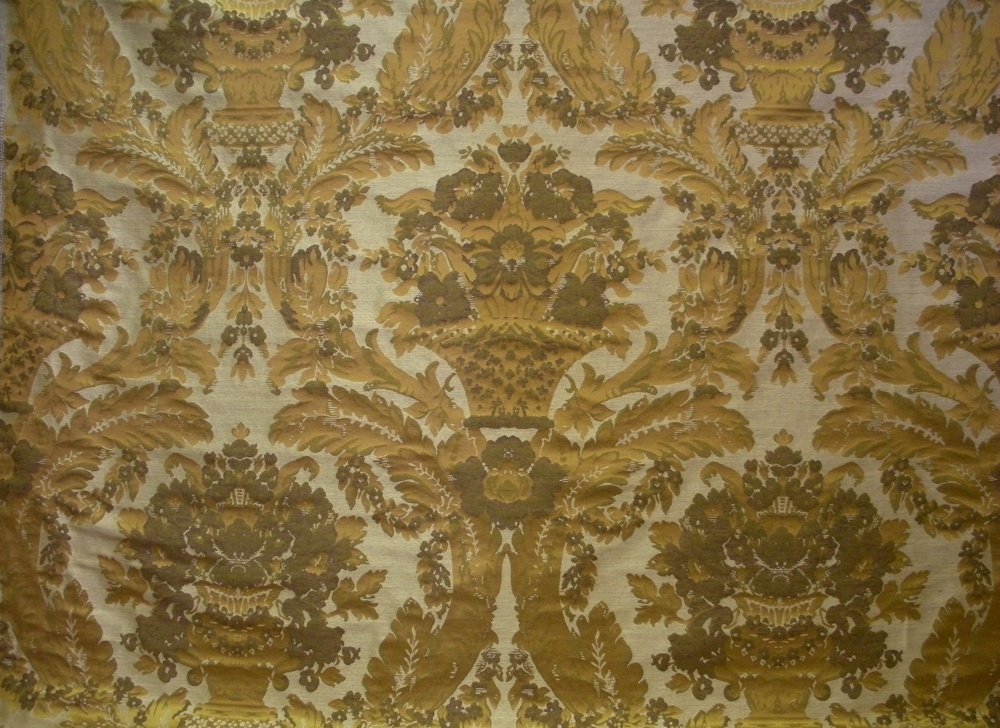
Giardino Antico Brocatelle
The Svezia and Three Crowns lampas fabrics introduce a different and unexpected sensibility. Svezia lampas unfurls curved lines of stems and flowers infused with strong Art Nouveau influences; Three Crowns lampas bears the signature of the Swedish artist Maja Sjöström, who designed it in the early twentieth century with a distinctly Nordic refinement. An improbable dialogue between the lagoon and the North, made possible through the universal vocation of our weaving factory.
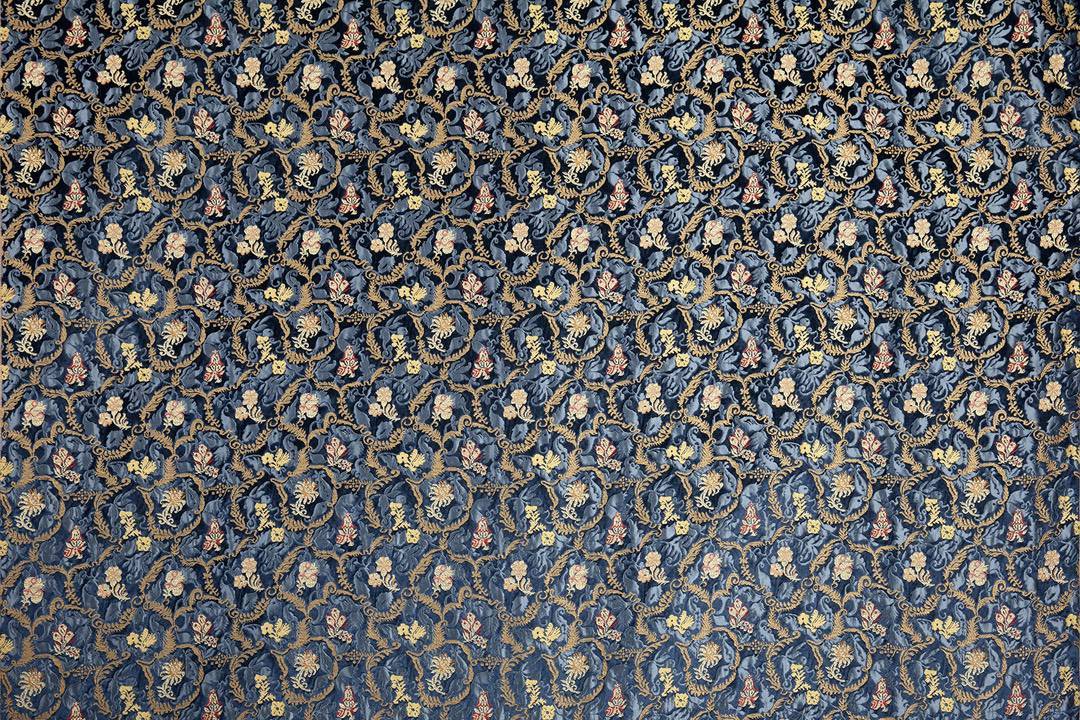
Svezia Lampas – Blue
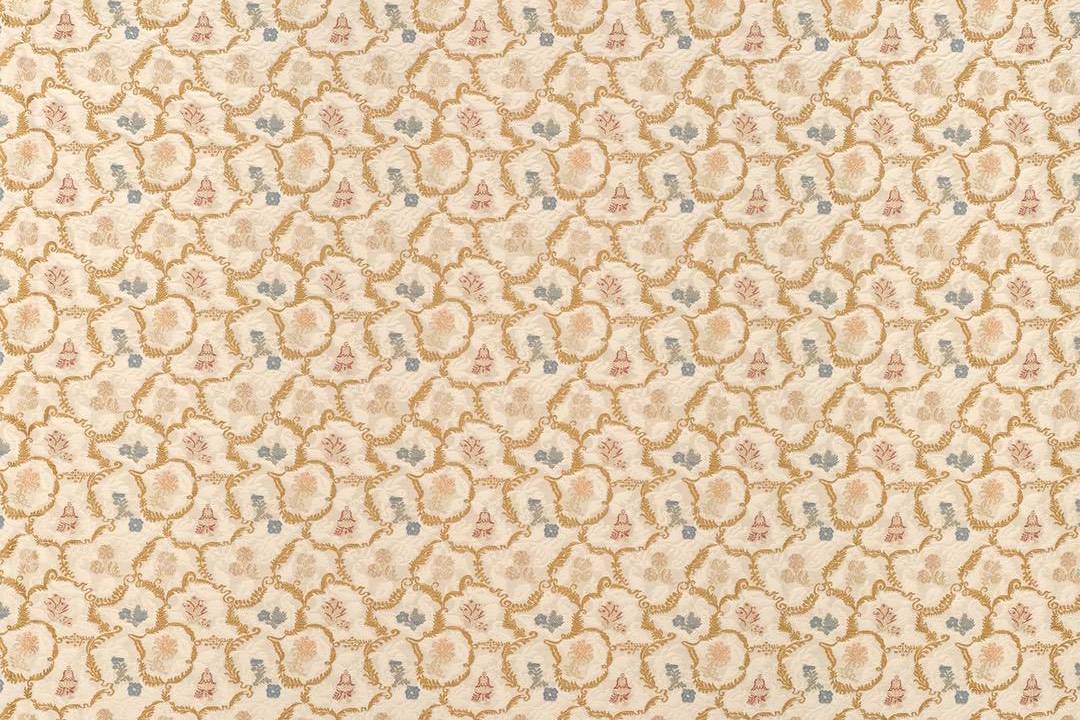
Svezia Lampas – Ivory Pearl
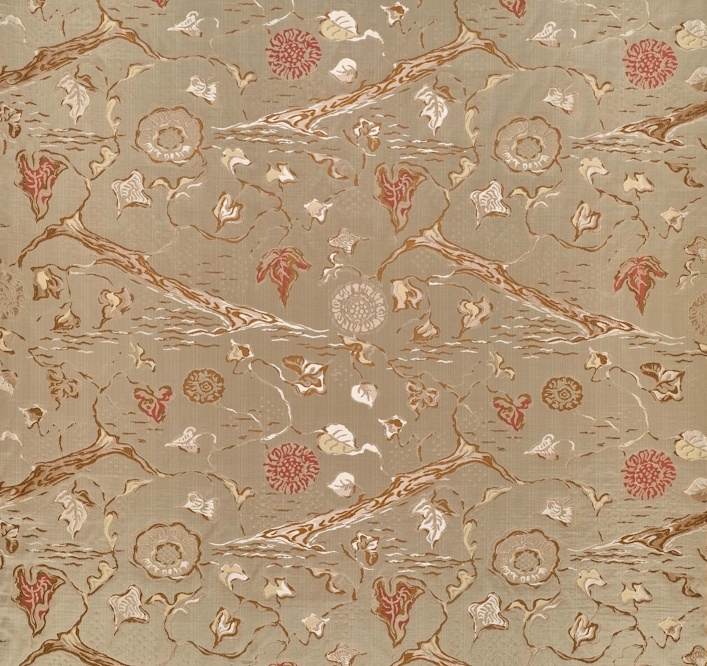
Three Crowns Lampas – Jade
Finally, the Taccheggiato and Sforza velvets bring forth the material depth that defines our tradition. Velvet was born in Venice during the 14th century, when the Serenissima transformed the secrets of Eastern textiles into an art form entirely its own, one that we continue to preserve today. Taccheggiato velvet, with its discontinuous surface and deliberately imperfect allure, and Sforza velvet, which evokes Renaissance latticework with echoes of the Orient, complete a textile narrative that traverses six centuries without ever exhausting itself.
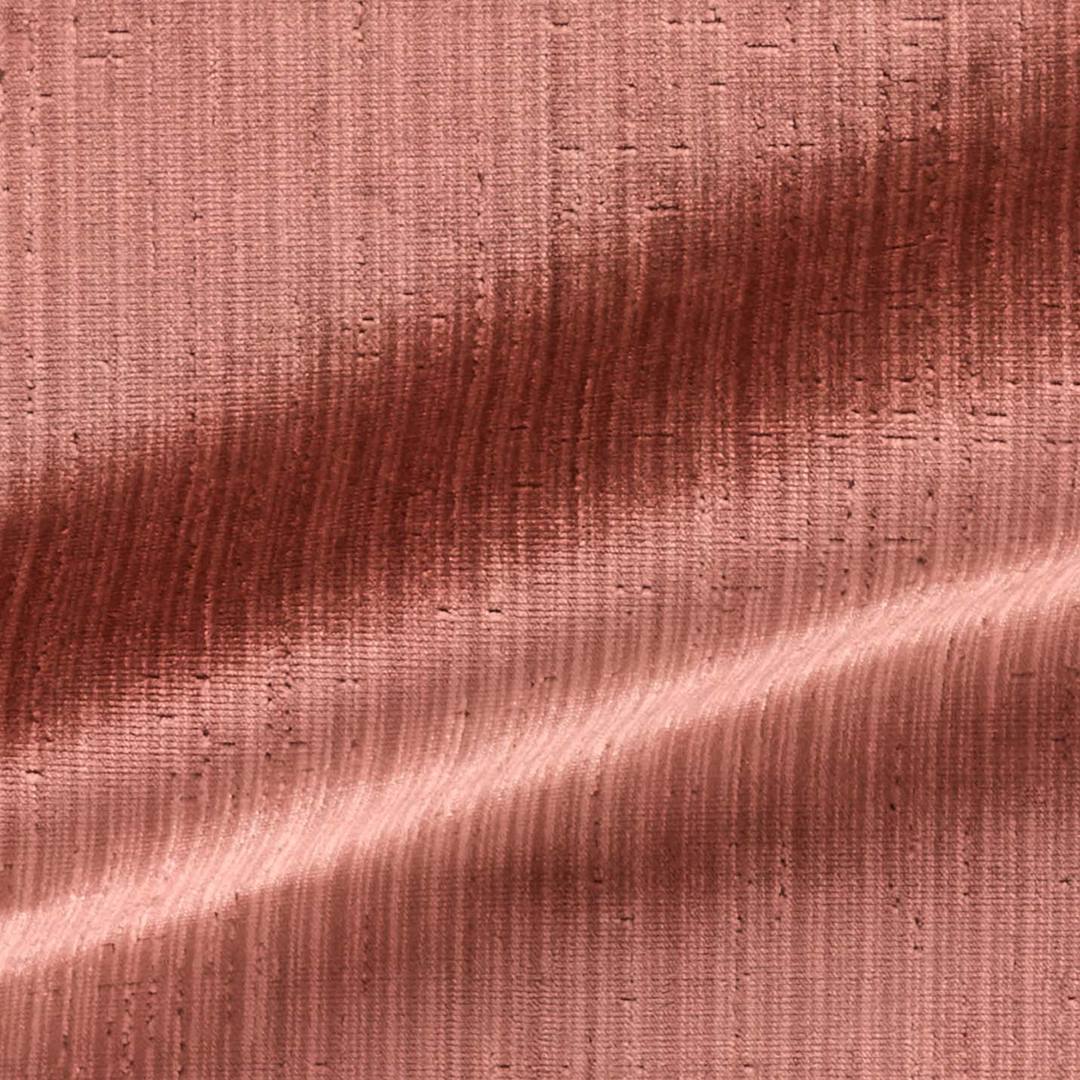
Taccheggiato Velvet
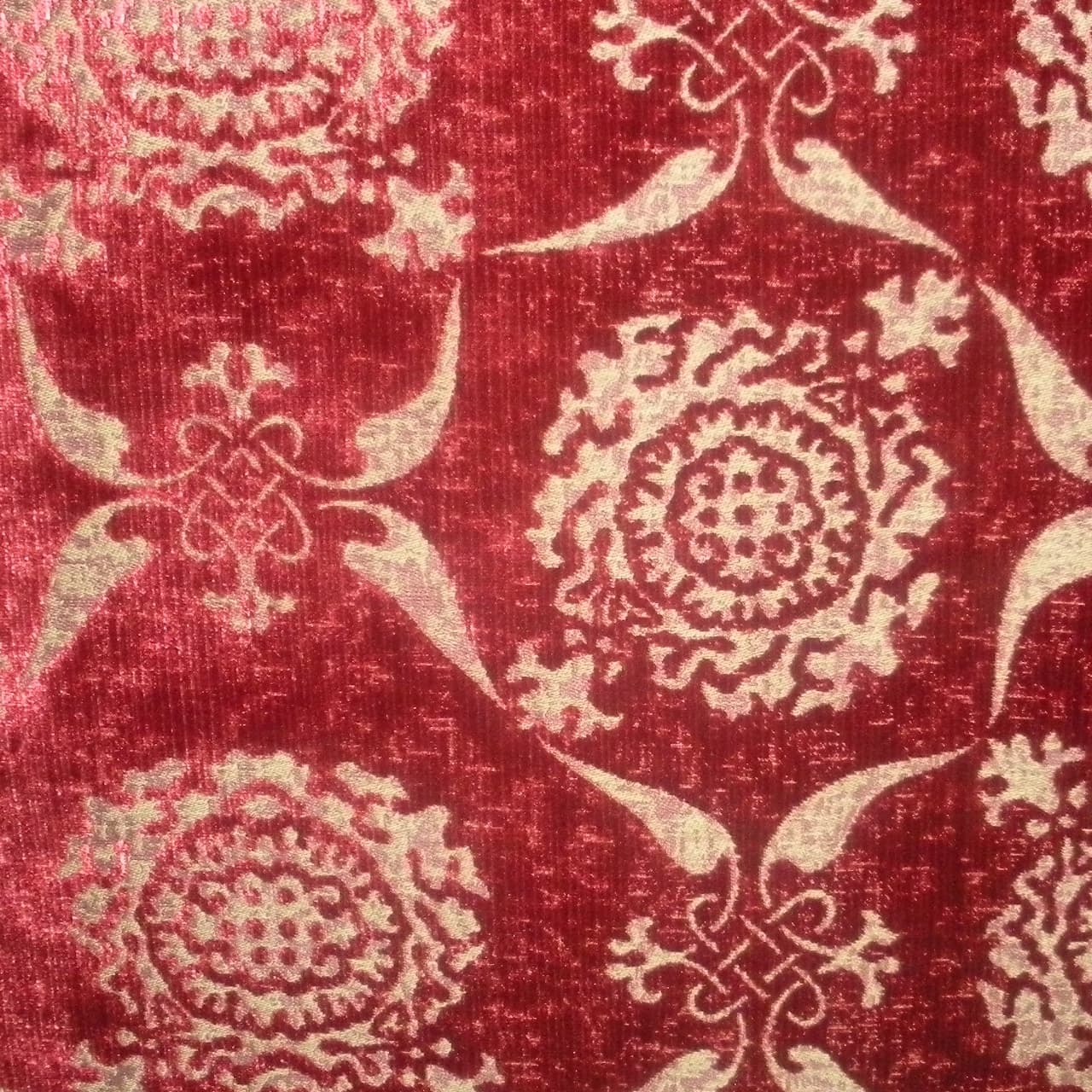
Sforza Velvet
Giovanni Querini: The Dream Made Real
The Dreamer, the visionary to whom the exhibition is dedicated, is Giovanni Querini Stampalia, the last heir of one of the most illustrious families of the Venetian Republic. A man of science, an omnivorous reader, and an enlightened entrepreneur, he rejected all forms of worldliness to devote himself entirely to study and research.
Visionary and profoundly modern, he transformed his dream into a concrete gesture. Upon his death in 1869, he bequeathed his entire family estate to the community: the palace, the collections, and a library open to everyone until midnight. A radical act against inaccessible knowledge, transforming private possession into collective heritage.
The Dreamer – Fondazione Querini Stampalia
Santa Maria Formosa
Castello 5252, 30122 Venice
T. +39 041 2711411
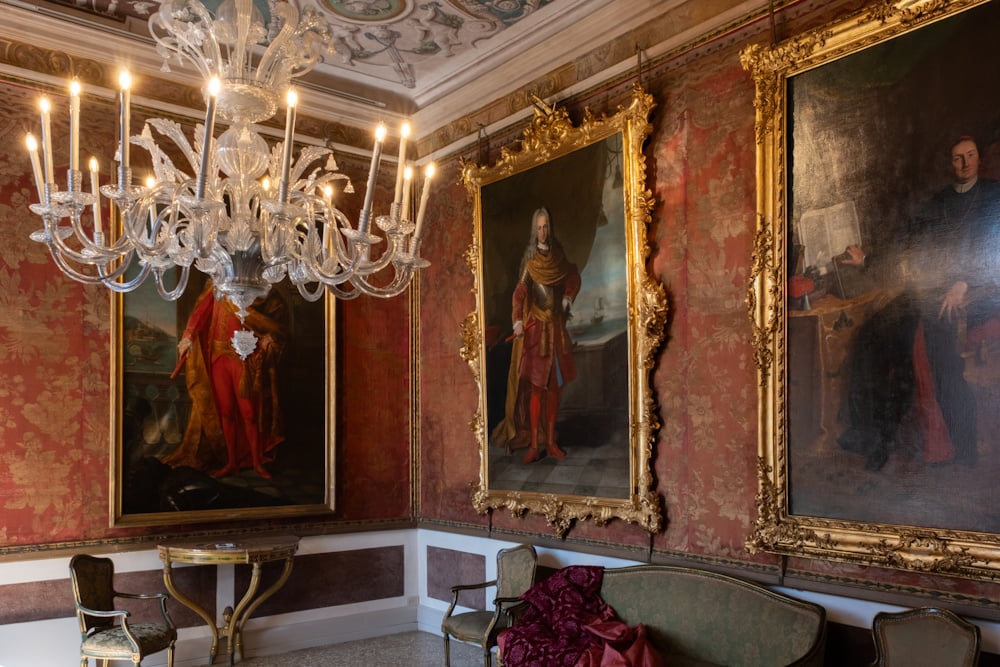
Politics, Intimacy, Life, The Fleet, Motherhood – Image Gallery, Ph Adriano Mura
Photo Credits: Adriano Mura
Courtesy: Fondazione Querini Stampalia, Venice